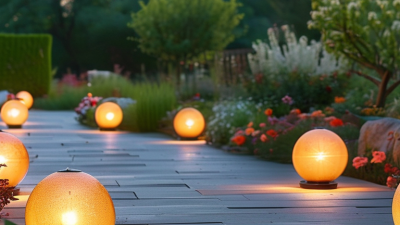
Best Landscape Globe Lights Wholesale Suppliers in China?
Choosing the right Landscape Globe Lights supplier in China requires more than comparing catalogue prices. Outdoor lighting must survive rain, sunlight, temperature changes, and repeated installation. A beautiful sample can still fail after one wet season.
Lighting designer Randall Whitehead puts it plainly: “Light is the fourth dimension of architecture.” His observation is valuable for landscape projects. Globe lights should shape pathways, patios, gardens, and commercial spaces without creating harsh glare. Their size, brightness, color temperature, cable quality, and mounting method all influence the final atmosphere.
Reliable Chinese suppliers usually provide detailed product specifications. Look for IP65 or higher protection, UV-resistant globes, strong sockets, stable low-voltage systems, and weatherproof connectors. Ask for material details, photometric data, warranty terms, and factory inspection records. Certifications may support trust, but they should match the actual product model.
Requesting samples is essential.
Touch the housing. Check the cable. Test the light overnight.
Wholesale buyers should also examine minimum order quantities, private-label options, replacement parts, packaging strength, and export experience. A supplier may offer an attractive price, yet poor packaging can cause cracked globes before delivery. That hidden cost matters.
Factory visits or independent audits can reveal working conditions and quality controls. Video inspections help, but they are not perfect. I would still compare several samples under real outdoor conditions. This step often exposes uneven brightness, loose fittings, or color differences between batches.
This guide reviews leading Landscape Globe Lights wholesale suppliers in China. It focuses on product reliability, customization, communication, pricing, and long-term purchasing value. No supplier is perfect. The better choice is the one that explains limitations clearly and supports the product after shipment.
What Are Landscape Globe Lights and Where Are They Used?
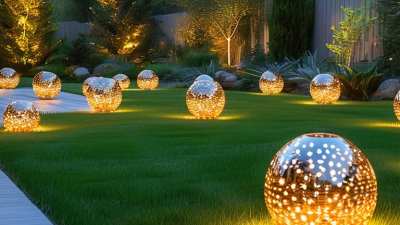
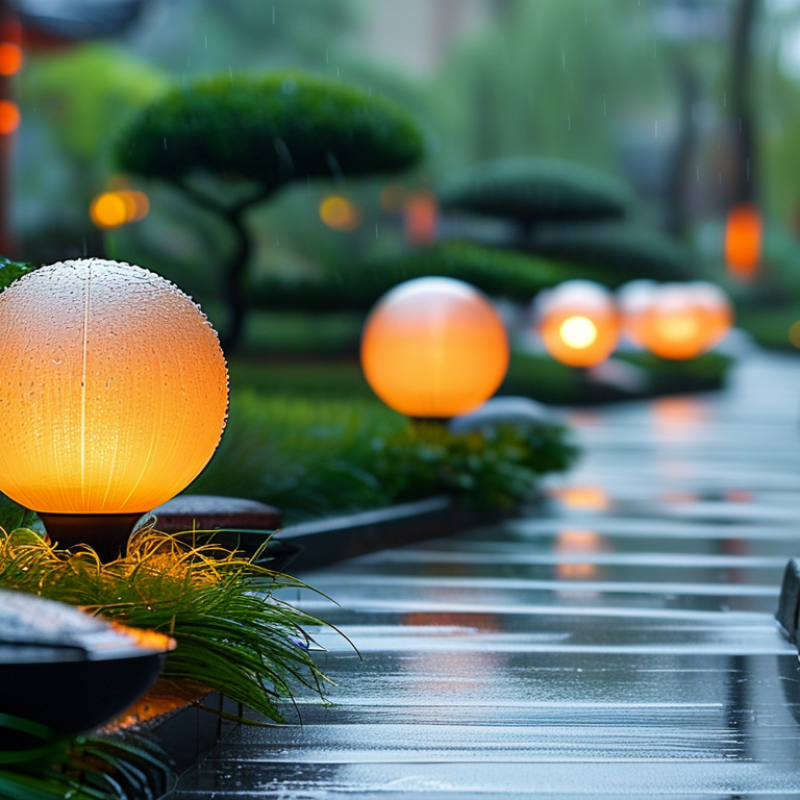
Landscape globe lights are outdoor fixtures with a rounded diffuser that spreads light in many directions. Their soft shape reduces harsh shadows and creates a welcoming evening atmosphere. Common designs use glass or impact-resistant plastic, with metal, aluminum, or polymer housings.
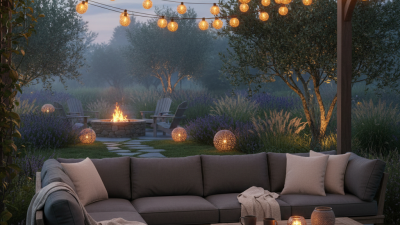
They are used along garden paths, driveways, patios, hotel grounds, parks, and poolside areas. A small globe near a walkway can guide visitors without producing excessive glare. Larger globes often suit courtyards or lawn features. They also work well around seating areas, although bright lamps may disturb nearby homes.
For wholesale buyers in China, practical details matter more than appearance alone. Check the IP rating, operating voltage, cable length, diffuser material, and available color temperatures. Warm white light usually feels comfortable in gardens. Neutral white can reveal steps and planting textures more clearly. Ask for sample testing in rain, dust, and repeated switching. A beautiful sample may still have weak seals.
Do not assume every globe light fits every climate. Coastal air, freezing winters, and strong sunlight can expose poor materials quickly. Request test reports and clear production specifications from the supplier. Confirm packaging strength too. One cracked diffuser can damage an otherwise profitable shipment. I have found that installation instructions are often overlooked, yet unclear wiring details can slow an entire landscaping project. Suppliers should also explain replacement parts, warranty conditions, and quality inspection procedures before an order is finalized.
Why Choose Chinese Wholesale Suppliers for Landscape Globe Lights?
Chinese wholesale suppliers offer a practical advantage for landscape globe lights: concentrated manufacturing capacity.
China’s lighting clusters combine glass forming, metalwork, LED assembly, wiring, and packaging within short supply chains. This can reduce coordination time and support flexible order quantities. In my sourcing experience, suppliers that provide pre-production samples make technical evaluation easier. Ask for beam distribution, color temperature, power consumption, and rated lifetime data.
Cost is another reason. The International Energy Agency reported that LED products exceeded half of global lighting sales in 2022. This growing scale encourages Chinese factories to improve efficiency and standardize components. The U.S. Department of Energy’s Solid-State Lighting R&D Plan also highlights efficacy, thermal management, controls, and reliability as key development areas. A capable supplier should discuss these points clearly, not only quote a low unit price.
Request IP65 or IP66 test evidence for outdoor use, especially when fixtures may face rain, dust, and irrigation spray.
Review cable glands, seals, glass thickness, and corrosion-resistant finishes. Quality can still vary. A polished catalog proves little. Independent inspection, aging tests, and random carton checks provide stronger evidence. I would also compare three samples, because one attractive sample may hide inconsistent production. Price matters, but replacement labor and failed installation matter more.
How to Evaluate Landscape Globe Light Manufacturers in China
Evaluating landscape globe light manufacturers in China requires more than comparing unit prices. Outdoor performance begins with documented engineering. LEDs use at least 75% less energy than incandescent lamps, according to the U.S. Department of Energy. The same guidance says they can last up to 25 times longer. Ask manufacturers for LED binning records, lumen maintenance data, and thermal test results. A bright sample is not enough.
The International Energy Agency estimates that lighting consumes about 15% of global electricity. Therefore, compare measured efficacy, not marketing claims. Request integrating-sphere reports showing lumens, watts, color temperature, and power factor. For outdoor globe lights, inspect IP testing under IEC 60529, UV resistance, salt-spray results, and cable-joint sealing. Check whether LM-80 or TM-21 evidence supports the promised service life. Also review production capacity, quality-control checkpoints, traceability, and the factory’s response to failed samples.
Visit the facility when possible. Watch assembly, aging tests, waterproof inspection, and final packing. I have learned that polished samples can hide inconsistent batches. This is easy to miss. Require a pre-shipment inspection with agreed tolerances for brightness, color, dimensions, and defects. Confirm replacement policies and spare-part availability in writing. A lower quotation may reflect thinner wiring, weaker coatings, or incomplete testing. That possibility deserves direct questions, not assumptions.
What Product Specifications and Customization Options Are Available?
For landscape globe lights, wholesale buyers should request precise product specifications before comparing suppliers in China. Common globe diameters range from 200 to 500 millimeters. Polycarbonate resists impact, while glass offers clearer light transmission. Aluminum housings improve durability around garden paths and commercial lawns. Ask for the exact IP rating, not simply “waterproof.” IP65 protects against dust and water jets, but installation conditions still matter.
Lighting options usually include warm white, neutral white, and adjustable color temperatures. Warm white around 2700K creates a softer garden atmosphere. Neutral white near 4000K shows planting details more clearly. Suppliers may offer solar, low-voltage, or mains-powered models. Confirm battery capacity, charging time, cable length, and operating hours. Dimming, motion sensors, timers, and remote control functions can also be customized. Small details matter.
Customization may cover globe size, pole height, finish, logo placement, wiring, and retail packaging. A supplier can often provide a pre-production sample before mass production. Request drawings, material descriptions, test reports, and actual photographs. Certifications should match the destination market and electrical requirements. During sample checks, inspect seams, connectors, drainage holes, and light uniformity. One sample may look excellent, yet a later batch can vary slightly. That risk deserves a written inspection standard. Packaging also needs attention, especially for glass globes shipped over long distances. Foam protection helps, but it increases carton volume and freight costs.
How to Compare Pricing, Quality Control, and Shipping Services
Best Landscape Globe Lights Wholesale Suppliers in China?
When comparing landscape globe light suppliers, start with the full landed cost, not the unit quote. Request pricing at your expected order volume and check the MOQ carefully. Ask whether the quote includes packaging, accessories, testing, and export documentation. A low price may exclude reinforced cartons or replacement parts. Compare the same specifications, including globe diameter, brightness, color temperature, cable length, and power source. Differences can be surprisingly large.
Quality control needs evidence. Request a pre-production sample and inspect its diffuser, cable joints, base stability, and surface finish. Outdoor lights should have suitable water and dust protection for their installation area. Ask for incoming material checks, assembly inspection, aging tests, and final electrical testing. Photos are useful, but inspection records are stronger. I would also request a small pilot order before committing to a container. It costs more time. It may prevent a costly mistake.
Shipping service can change the final margin. Compare EXW, FOB, and delivered quotations with the same carton details. Confirm carton size, gross weight, loading quantity, and estimated transit time. Ask how the supplier handles damaged cartons, missing pieces, and production delays. Sea freight is economical, while air freight may suit urgent samples. Build extra time into seasonal orders. My own comparison mistake was focusing too heavily on price and ignoring packaging strength. The cheapest quote became less attractive after damage and repacking were considered.